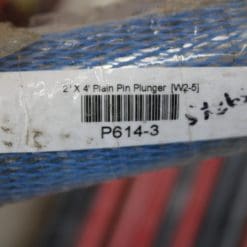
What Is a Plain Pin?
In oil and gas applications, particularly in plunger lift systems, a plain pin
is a simple cylindrical pin used to connect, retain, or align components within
the plunger assembly. Plain pins are commonly used to secure internal parts,
provide structural support, or act as pivot and retention points without the
use of threads.
How It Works
A plain pin is inserted through precisely machined holes in the plunger or
associated components. The pin holds parts in position and helps maintain the
integrity of the assembly during operation. Depending on the design, the pin
may be press-fit, slip-fit, or retained by other mechanical means.
Typical Applications in Plunger Lift Systems
- Securing internal plunger components
- Retaining springs, valves, or fishing neck assemblies
- Providing alignment between moving parts
- Serving as a pivot point for mechanical components
- Maintaining assembly integrity during repeated well cycles
Advantages
- Simple and reliable design
- Resistant to loosening due to the absence of threads
- Easy to manufacture and replace
- Provides consistent alignment of components
- Suitable for high-cycle operating environments
Considerations
- May wear over time due to repeated impacts and vibration
- Requires proper fit and material selection for well conditions
- Can be difficult to remove if installed as a press fit
- Should be inspected during plunger maintenance and rebuilding
Summary
In the context of oil and gas plunger lift equipment, a plain pin is a
non-threaded cylindrical retaining or locating pin used to secure and align
components within a plunger assembly. Its simplicity, durability, and
reliability make it a common fastening solution for downhole plunger tools.
- Hive CertifiedThis seller has been reviewed and approved by BranaBee for reliability and product quality. Make an Offer