What Is Aluminum?
Aluminum is a lightweight, corrosion-resistant metal used in a wide range of industrial, transportation, and oilfield applications. Manufacturers often choose aluminum when they need to reduce weight while maintaining good strength and resistance to atmospheric corrosion.
Material Characteristics
Aluminum naturally forms a thin oxide layer when exposed to air. This protective layer helps resist corrosion and reduces the need for additional coatings in many environments. In addition, aluminum weighs approximately one-third as much as steel, making it easier to handle, transport, and install.
Common Applications
Although steel remains the dominant material in most pressure-containing oil and gas equipment, manufacturers use aluminum in selected components such as:
- Tank vents and vent caps
- Access covers and hatches
- Instrumentation housings
- Lightweight structural components
- Transportation and storage equipment
Performance Characteristics
Aluminum offers good corrosion resistance in atmospheric environments and provides an excellent strength-to-weight ratio. However, it does not typically match the strength, temperature resistance, or pressure-handling capability of carbon steel or stainless steel materials.
Advantages
- Provides excellent strength relative to its weight
- Resists atmospheric corrosion naturally
- Simplifies handling and installation
- Does not rust like carbon steel
- Requires minimal maintenance in many environments
Limitations
- Provides lower strength than many steel alloys
- Handles lower temperatures and pressures than forged steel components
- Can experience galvanic corrosion when connected to dissimilar metals
- May not suit critical pressure-containing applications
Example Application
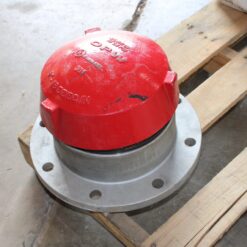
A common example is the OPW Flange Tank Vent 8″ 8 Lug 16 oz/sq in., which uses aluminum construction to provide corrosion resistance and reduce weight while venting storage tanks.
Summary
Aluminum is a lightweight, corrosion-resistant metal commonly used in tank vents, covers, housings, and other non-critical components. Its low weight and natural corrosion resistance make it a practical choice where high strength and pressure capability are not the primary requirements.
- Hive CertifiedThis seller has been reviewed and approved by BranaBee for reliability and product quality. Make an Offer