What Does 15,000 PSI Mean?
A 15,000 PSI rating indicates that a component is designed to operate at a
maximum working pressure of 15,000 pounds per square inch under specified
service conditions. In oil and gas operations, this rating commonly applies to
hammer unions, high-pressure iron, valves, manifolds, and well service
equipment.
How It Is Used
Manufacturers assign pressure ratings to help operators select equipment that
can safely handle expected operating conditions. For example, a 15,000 PSI
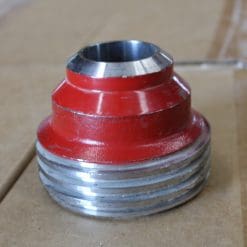
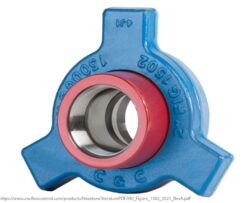
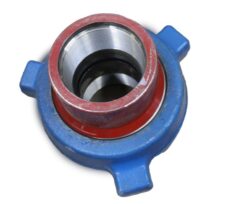
hammer union is designed to contain pressures up to 15,000 PSI when installed
and maintained according to the manufacturer’s specifications.
Common Applications
Equipment with a 15,000 PSI rating frequently appears in high-pressure oilfield
operations, including:
- Hammer unions
- Frac iron and flow iron
- Wellhead and pressure control equipment
- Cementing and stimulation operations
- High-pressure manifolds and valves
Performance Characteristics
Components rated for 15,000 PSI typically use high-strength forged materials
and specialized sealing systems to withstand extreme pressure. As a result,
they perform reliably in demanding applications where lower-pressure equipment
would not provide an adequate safety margin.
Advantages
- Supports high-pressure oilfield operations
- Provides a greater operating margin than lower-pressure equipment
- Handles demanding stimulation and production services
- Pairs with other high-pressure system components
Considerations
- Operators must never exceed the rated working pressure
- Pressure ratings can vary based on temperature and service conditions
- Technicians should inspect sealing surfaces and connections regularly
- All connected components should meet or exceed the system pressure rating
Summary
A 15,000 PSI rating identifies equipment designed for high-pressure oilfield
service. Most commonly, this rating appears on hammer unions and related
pressure-control equipment used in fracturing, cementing, well servicing, and
other demanding applications.
-
Hive CertifiedThis seller has been reviewed and approved by BranaBee for reliability and product quality. Make an Offer
2″ 1502 15000 FEMALE THREAD HALF HAMMER UNION SCH 160
Original price was: $89.00.$30.00Current price is: $30.00. View Details - Hive CertifiedThis seller has been reviewed and approved by BranaBee for reliability and product quality. Make an Offer
- Hive CertifiedThis seller has been reviewed and approved by BranaBee for reliability and product quality. Make an Offer