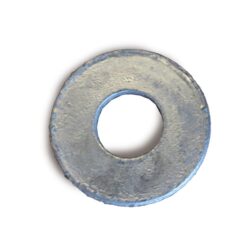
What Is SAE?
SAE, or SAE International (formerly the Society of Automotive Engineers), is a
global standards organization that develops technical standards for mobility,
transportation, and industrial systems. In oil and gas and general industry,
this specification is most commonly define fasteners, automotive components, and
engineering practices.
Who Sets SAE Standards?
SAE International sets its standards through a consensus-based process. Engineers,
manufacturers, suppliers, and end users work together on technical committees to
develop, review, and update standards. Because of this structure, SAE standards
reflect broad industry agreement rather than a single company or regulator.
What it Covers
It develops standards across many technical areas, including:
- Fastener grades and mechanical properties (e.g., SAE J429)
- Automotive and heavy equipment components
- Hydraulic and mechanical systems
- Performance testing and material requirements
- Engineering design practices and guidelines
How It Is Used in Industry
Manufacturers use this standard to ensure components meet consistent mechanical
and dimensional requirements. In the field, technicians rely on the classification
to select compatible fasteners and components that perform reliably under load.
Why It Matters
It helps create uniformity across manufacturers and industries. As a
result, a Grade 5 or Grade 8 bolt, for example, meets the same minimum performance
requirements regardless of where it is produced.
Advantages
- Provides consistent engineering and manufacturing standards
- Supports interchangeability of components
- Widely recognized across automotive and industrial sectors
- Improves safety and reliability in mechanical systems
Considerations
- It is not a single specification but a standards organization
- Individual documents define specific requirements
- Must be used alongside ASTM and ASME standards in many applications
Summary
SAE International is a global standards organization that develops engineering
specifications used in transportation, automotive, and industrial systems. Its
standards define everything from fastener grades to mechanical design practices,
providing consistent performance across manufacturers and applications.
- Hive CertifiedThis seller has been reviewed and approved by BranaBee for reliability and product quality. Make an Offer
- Hive CertifiedThis seller has been reviewed and approved by BranaBee for reliability and product quality. Make an Offer