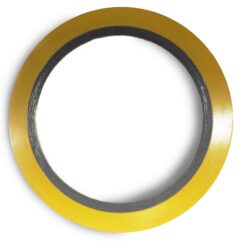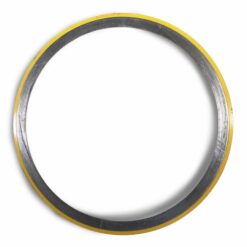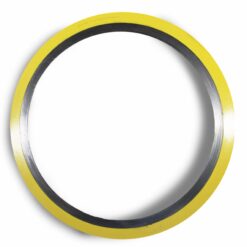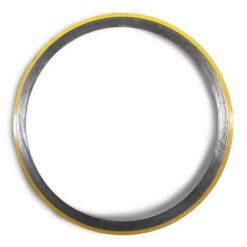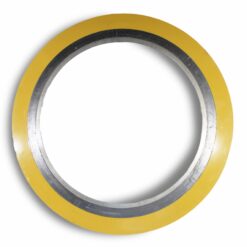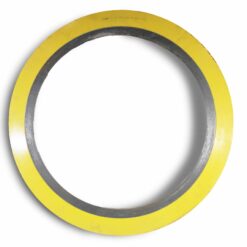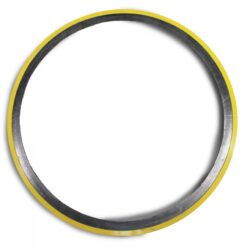
What Is a Spiral Wound Gasket?
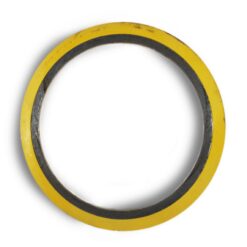
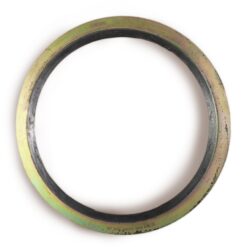
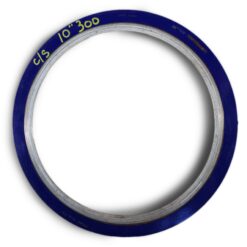
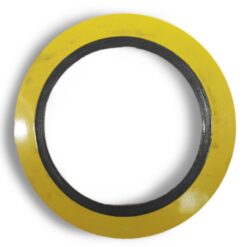
A spiral wound gasket is a semi-metallic sealing element used in flanged
connections in oil and gas systems. It combines metal winding strips and soft filler material to create a strong, flexible seal that performs well under
pressure, temperature changes, and vibration.
Construction
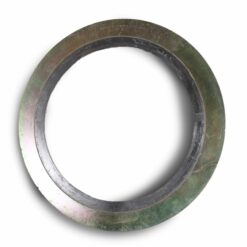
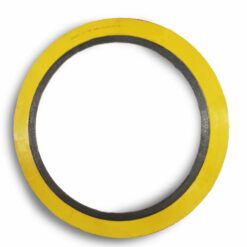
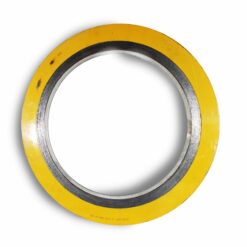
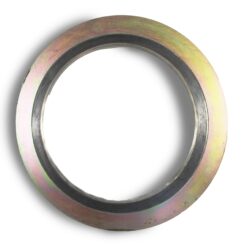
Manufacturers build a spiral wound gasket by winding a metal strip and a soft filler material in a spiral pattern. Typically, they use stainless steel for the metal strip and graphite or PTFE for the filler. They also add a centering ring and, in some designs, an inner ring to improve alignment and stability.
How It Works
First, technicians place the gasket between two flange faces. Then they align and bolt the flanges together. As they tighten the bolts, the gasket compresses. The metal windings provide strength while the filler material fills surface imperfections. This combination creates a tight and reliable seal.
Typical Applications
- Oil and gas production and processing facilities
- Refineries and petrochemical plants
- High-pressure steam systems
- Heat exchangers and pressure vessels
- Pumps, valves, and critical flange connections
Advantages
- It handles high pressure and temperature well
- It maintains sealing performance under vibration and thermal cycling
- It conforms to flange surface imperfections
- It works across a wide range of chemical services depending on filler material
Limitations
- It costs more than soft gasket materials
- It requires proper compression to seal effectively
- It can fail if flange surfaces become heavily damaged or misaligned
Summary
A spiral wound gasket uses alternating layers of metal and filler material to
create a strong, flexible seal for flanged joints. It is widely used in oil and
gas systems because it performs reliably under high pressure, temperature changes, and mechanical stress.
- Hive CertifiedThis seller has been reviewed and approved by BranaBee for reliability and product quality. Make an Offer
- Hive CertifiedThis seller has been reviewed and approved by BranaBee for reliability and product quality. Make an Offer
- Hive CertifiedThis seller has been reviewed and approved by BranaBee for reliability and product quality. Make an Offer
- Hive CertifiedThis seller has been reviewed and approved by BranaBee for reliability and product quality. Make an Offer
- Hive CertifiedThis seller has been reviewed and approved by BranaBee for reliability and product quality. Make an Offer
- Hive CertifiedThis seller has been reviewed and approved by BranaBee for reliability and product quality. Make an Offer
- Hive CertifiedThis seller has been reviewed and approved by BranaBee for reliability and product quality. Make an Offer
- Hive CertifiedThis seller has been reviewed and approved by BranaBee for reliability and product quality. Make an Offer
- Hive CertifiedThis seller has been reviewed and approved by BranaBee for reliability and product quality. Make an Offer
- Hive CertifiedThis seller has been reviewed and approved by BranaBee for reliability and product quality. Make an Offer
- Hive CertifiedThis seller has been reviewed and approved by BranaBee for reliability and product quality. Make an Offer
- Hive CertifiedThis seller has been reviewed and approved by BranaBee for reliability and product quality. Make an Offer
- Hive CertifiedThis seller has been reviewed and approved by BranaBee for reliability and product quality. Make an Offer
-
Hive CertifiedThis seller has been reviewed and approved by BranaBee for reliability and product quality. Make an Offer
20″ Spiral Wound Gasket 600 ASME B16.20 304/FG 304IR
Original price was: $58.00.$35.00Current price is: $35.00. View Details - Hive CertifiedThis seller has been reviewed and approved by BranaBee for reliability and product quality. Make an Offer
- Hive CertifiedThis seller has been reviewed and approved by BranaBee for reliability and product quality. Make an Offer